Why Do Big Money Signings Almost Never Work?
BIG MONEY SIGNINGS AND WHY THEY (ALMOST) NEVER WORK.
The Premier League has spent more than €5billion in the past 5 years. The total valuation of all players in the Premier League exceeds €10billion. There are 534 players in total and therefore the average valuation of a player in the Premier League is roughly €20million (Source).
Silly, silly money mate. Just think what else this money could have been spent on! For example, if the premier league sold every single player on every single team, it would be able to afford a whole one quarter of Matt Hancock’s track and trace app.
However, let there be no doubt about it, in recent seasons the Premier League has chucked around it’s vast swathes of cash to propel itself into what is now comfortably the best standard of football competition the world has ever seen.
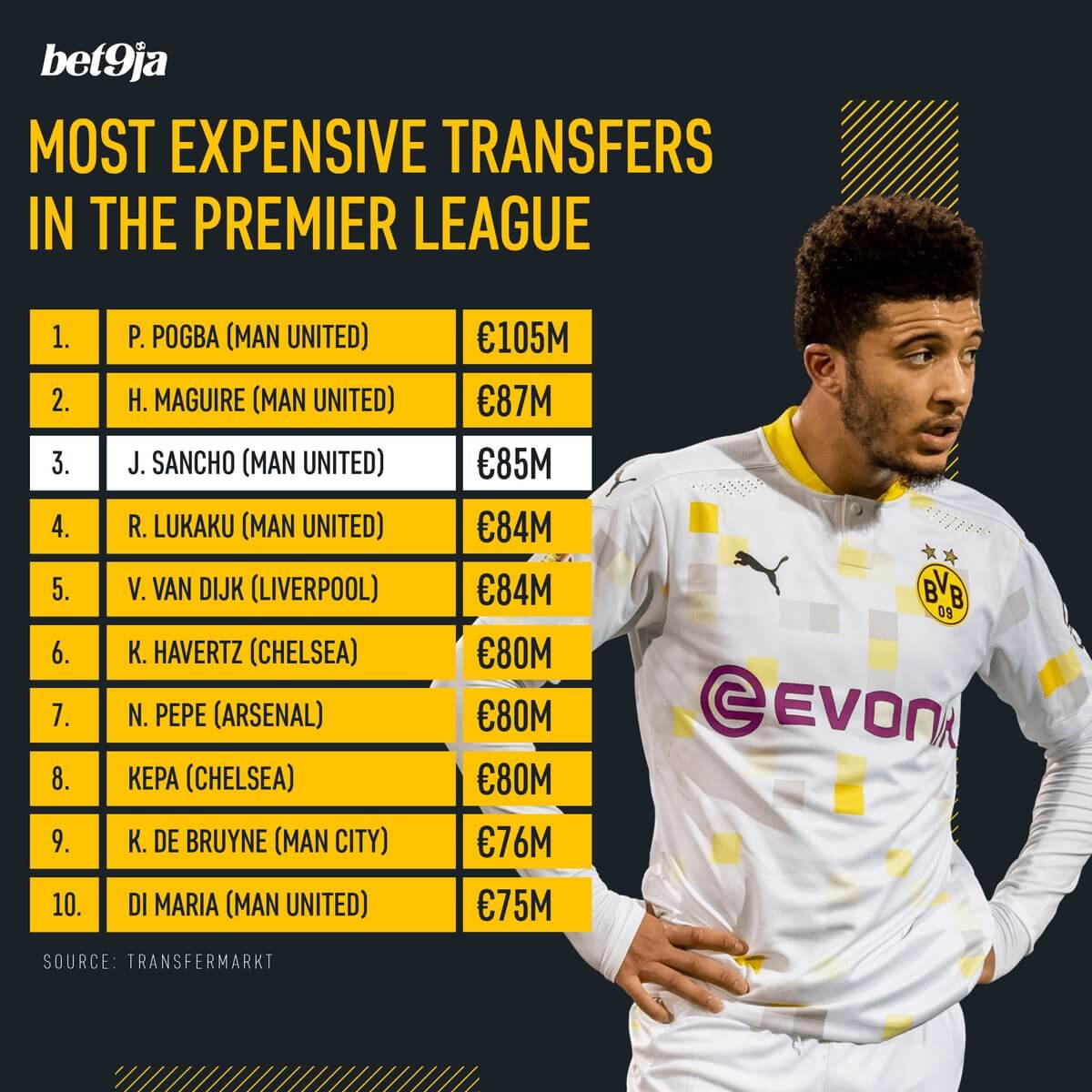
- Jack Grealish £100m
- Romelu Lukaku £97.5m
- Paul Pogba £93.25m
- Romelu Lukaku £90m
- Mykhailo Mudryk £88.5m
- Darwin Nunez £85.4m
- Antony £82.2m
- Harry Maguire £80m
- Virgil van Dijk £75m
- Jadon Sancho £73m
We could argue about which of these signings have and have not been shit, but it’s undeniable that very few of them have set the world alight (Virgil van Dijk the obvious exception). The rest of this piece will be dedicated to unpicking why this is.
PLAYER POWER
Players simply have all the negotiating power these days. On-the-pitch performance is obviously important but so is shirt sales, social media followers, potential exposure to untapped Asian markets and all the other shite that men in suits that have never kicked a ball before rub their grubby hands together about.
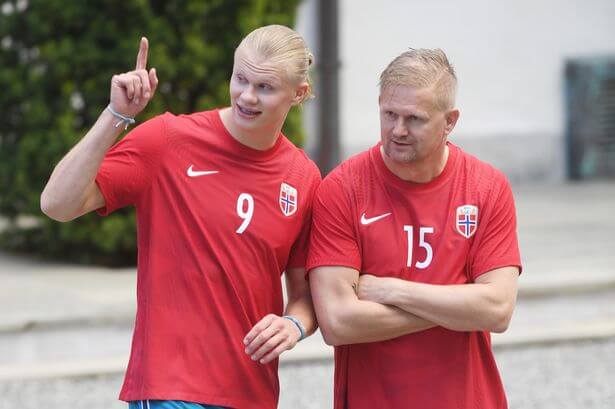
Real life Bond-Villians-cum-Super-Agents use these factors, as well as the expansive portfolio of talent that they have under their influence, to blackmail clubs into paying massive transfer fees, wages and addons. For example, Erling Haaland cost Man City €51 in transfer fees. Then, Mino Raiola (Haaland's agent) received €40m commission fee, with his father, Alf-Inge Haaland, receiving €30m.
The worst part about this whole vulgar spectacle is that Clubs cannot afford to dismiss these absurdities for fear that future talent will not be made available to them. They are getting shafted in broad daylight and asking the guilty party if he wants a brew on the way out.
SYSTEM SETTINGS
Considering that each league in Europe has it’s own style (Bundesliga famously attacking, Serie a notoriously defensive, Ligue one infamously agricultural (yes, very funny, we've made that joke about 8 times now) etc.), and each club within each league has their own system, it is no wonder that it can take players a while to adapt.
Are we all aware of this? Yes. Do we give one single iota of a shit? Course we don't. Big money signings are expected to perform immediately - in fact there will always be a majority of people that are just waiting on the first misplaced pass so they can declare that they “always knew he was shit” or that “Benfica have had their pants down again”.
The truth is that top players playing in lesser clubs will inevitably be given the ball at every opportunity, their weaknesses deliberately accounted for and their favoured position always made available to them (e.g. Jack Grealish at Villa, Alexis Sanchez at Arsenal etc.)
Suddenly they can find themselves in unfamiliar settings, not getting the ball and with nobody to pass to, all the while with an enormous expectation to perform. It is easier to understand how this can knock a players confidence.
This is often not helped further when such players are not played in their natural positions. When a regular business spends an awful lot of money on a particular asset, it stands to reason that they will invest a huge amount of time and effort to get the most out of it.
When a football club pays £80million for a player, they just stick them on the right wing and expect them to get 30 goal involvements a season.

SPORTS PSYCHOLOGY
Of course, Sports Psychology will always play a huge role in this. As touched upon, Fan and Media expectations will be much higher for big money signings, and therefore the pressure they immediately face can already be insurmountable.
Aside from this, the very introduction of a big money signing (he's probably a nobhead) can disrupt the existing dynamic of the dressing room, upset the club’s wage structure and cause factions amongst the players.
Chuck in the fact that managers come and go, and therefore players fall in and out of favour, and it’s easy to see how spending £70+ million on a player can easily cause more harm than good.
CONCLUSION
I could have continued on this topic for at least another 3 or 4 pints but alas, my attention span has expired and therefore I will finish with some predictions.
I predict that top clubs will continue to make big money signings that do not match their needs as it is the fastest and easiest way to appease fans & sponsors, and provides the decision makers with some short term relief from the anxiety that their club is slipping out of contention (looking at you Todd Boehly).
Savvy clubs such as Benfica, who have made over £1billion in transfer sales over the past 10 years, will continue to make a killing out of this process.
The better run big clubs will focus on bringing players through their youth systems (i.e. this Arsenal team) and signing young talent and easing them into first team football themselves (e.g. Alejando Garnacho).
With the ever increasing amount of data at Scouting departments’ disposal, we believe they should stop buying players based on their position (e.g. left wing) and focus on player profiles instead. Although this will not guarantee success, it should at least prevent clubs from playing their most expensive players out of position.