Are Players Aging Backwards?
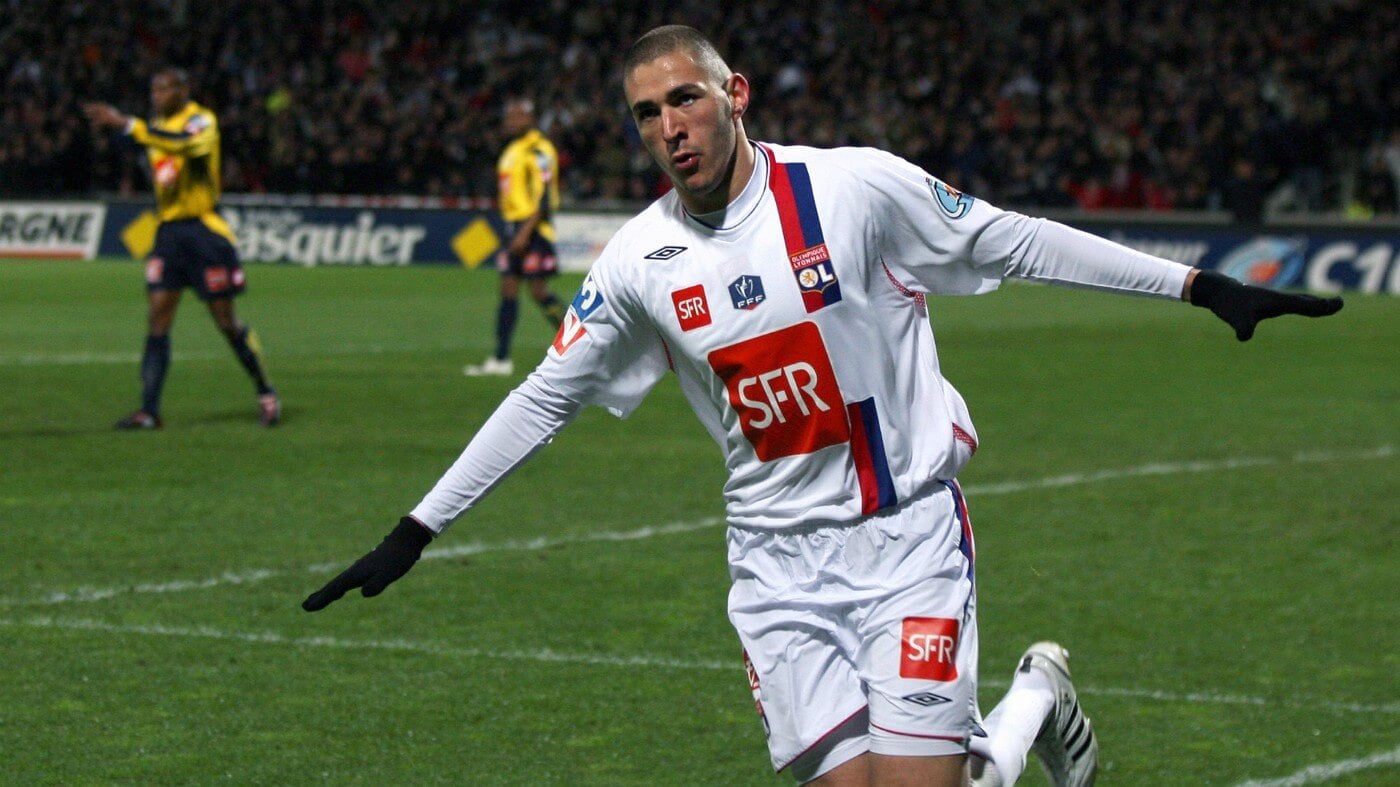
Aged 34, Karim Benzema has just scored two hat-tricks within a month to drag Real Madrid to the semi-finals of the Champions League. The Frenchman has bettered his best ever scoring tally in the league and is already nine goals clear of his highest scoring seasons in all competitions (2018-19 and 2020-21). But is it just Benzema, or are players ageing more gracefully overall?
To quote one of the most quotable footballers of all time, Ibrahimovic once said "I think I'm like wine. The older I get, the better I get." Zlatan has famously scored more goals since turning 30 than he did before reaching the age where many assume a player’s best days are behind them. Cristiano Ronaldo's contribution to Manchester United has split opinions since he rejoined the side last summer, but his recent hat-trick against Norwich shows at the grand old age of 37, he can still offer goals - if nothing else.
Luka Modric was voted ‘Worst Signing of the Season’ when he joined Real Madrid aged 26 in the summer of 2012, yet he has gone on to have an incredible career with Los Blancos and won the coveted Ballon d'Or in 2018, aged 33. That makes him the fifth oldest winner of the Golden Ball with the most recent winner, Lionel Messi, the second oldest - aged 34 years and 5 months (2021). Interestingly, and perhaps counter-intuitively, top of the list is Stanley Matthews, who was 41 years and 10 months old in 1956 when he was crowned the world’s best player.
Modric’s evergreen skillset is all the more impressive when you consider his position. Central midfield is arguably the most difficult position to perform as an ageing player, considering the combative elements of the role and the distance required to be covered. For these reasons, it makes sense that the average age of midfielders is generally lower, as we can see in the graphic below:
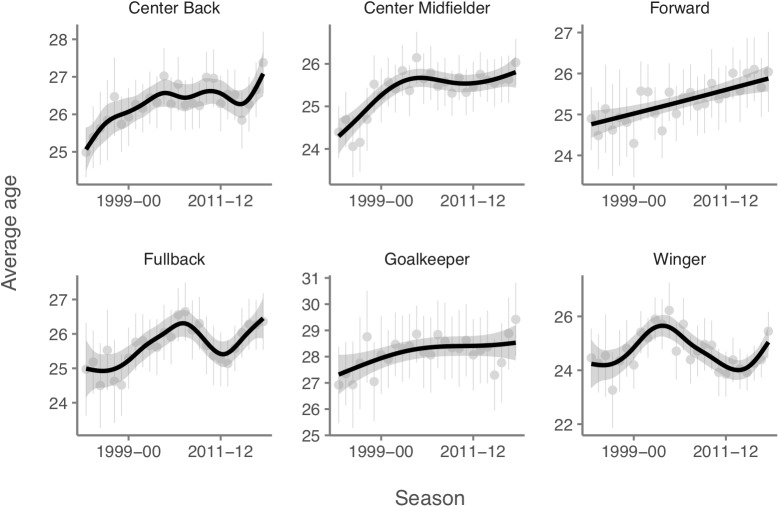
If we ignore the bizarre transverse waves in the ‘Winger’ graph, the general trend reflects our intuitions - players are getting older. There could be several reasons for this trend.
For a start, today’s footballers tend to avoid drinking pints before, during and after the game. Arsene Wenger is often credited with revolutionising drinking culture and nutrition in British football (just ask Ray Parlour) but this more disciplined approach has been echoed around the world for well over a decade now, and the effects may be a contributing factor to the longevity of today’s players.
Another facet of modern football which could elongate players’ careers is the paradigm shift in games - from taxing physical battles to the modern tactical chess matches we see today. Gone are the days of escaping yellow cards for knee-high tackles, off the floor challenges and brutal repeat offences. This can only be good for the players’ bodies - less recovery needed, less severe impact injuries and less stitches necessary, all of which can take a significant toll on the human body, especially when endured over a ten year career.
The likelihood is, a cocktail of the above factors is why we are seeing more players hit 30 without witnessing the drop off in ability that Football Manager would have us believe is inevitable. In reality, we can only be grateful that we get to witness our favourite players for an extra few years, maybe even an extra ten if they share a doctor with Pep Guardiola. For now at least, the old boys are here to stay - the 2022 Ballon d’Or favourites are Robert Lewandowski (33) and Karim Benzema (34). Mbappe may just have to hang on for a few more years.